(Innowacyjne technologie i aplikacyjne zastosowania sztucznej inteligencji)
Data i miejsce: 13 marzec 2026, Akademia WSEI, Lublin, Polska
Strona konferencji: https://conf.nx365.ai
Nagrania z konferencji dostępne są na YouTube:
Wydarzenie zorganizowano w ramach inicjatywy nx365.ai jako cykl warsztatów poświęconych praktycznym zastosowaniom nowoczesnej sztucznej inteligencji w medycynie, przemyśle i sektorze usług.
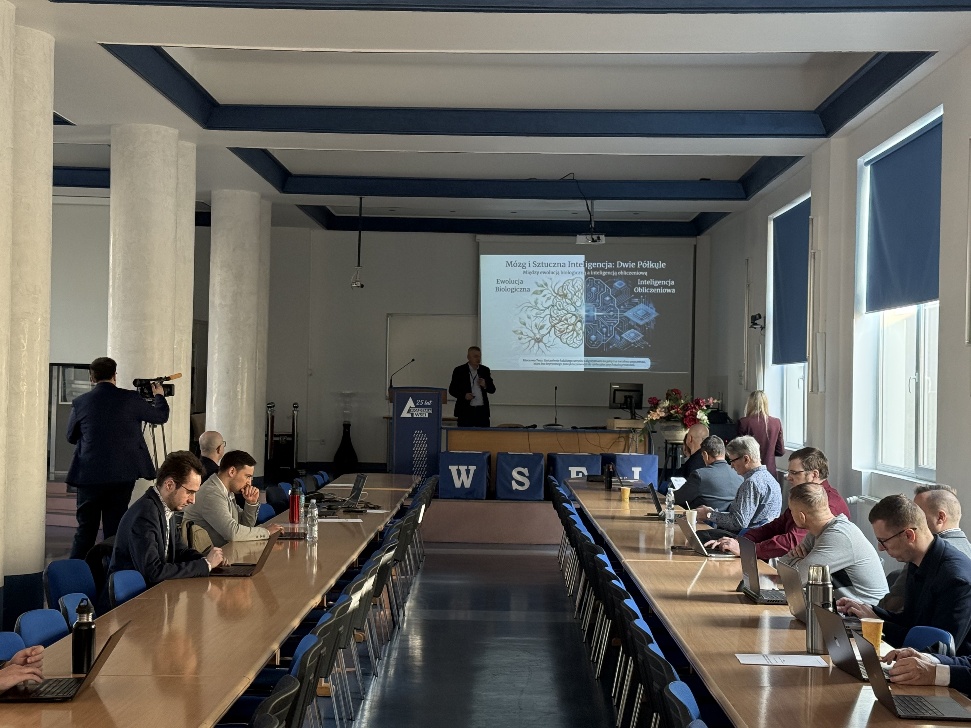
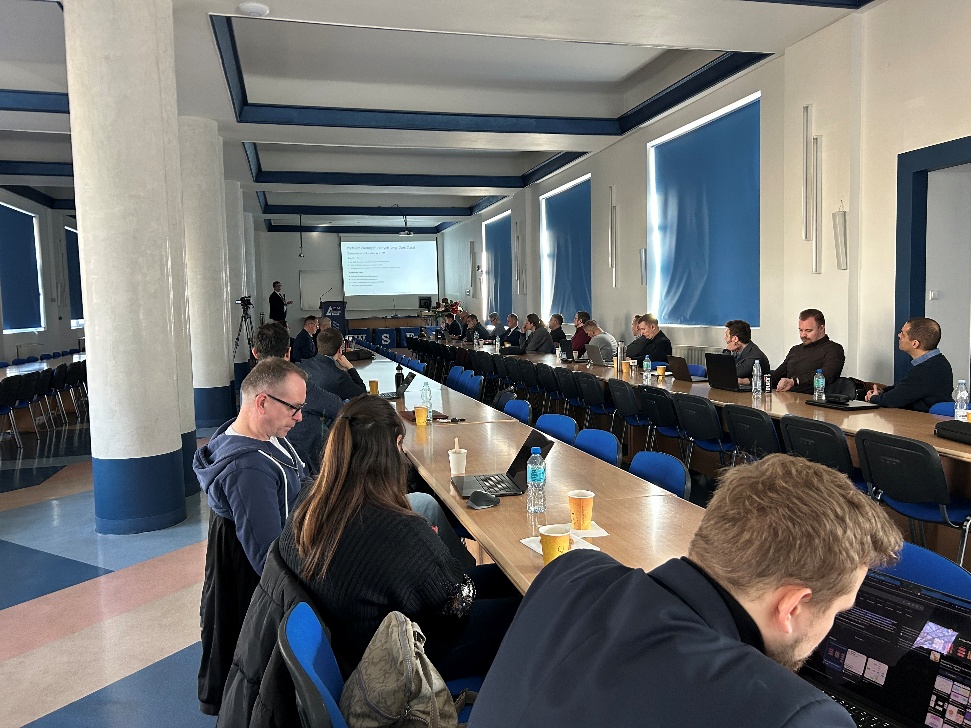
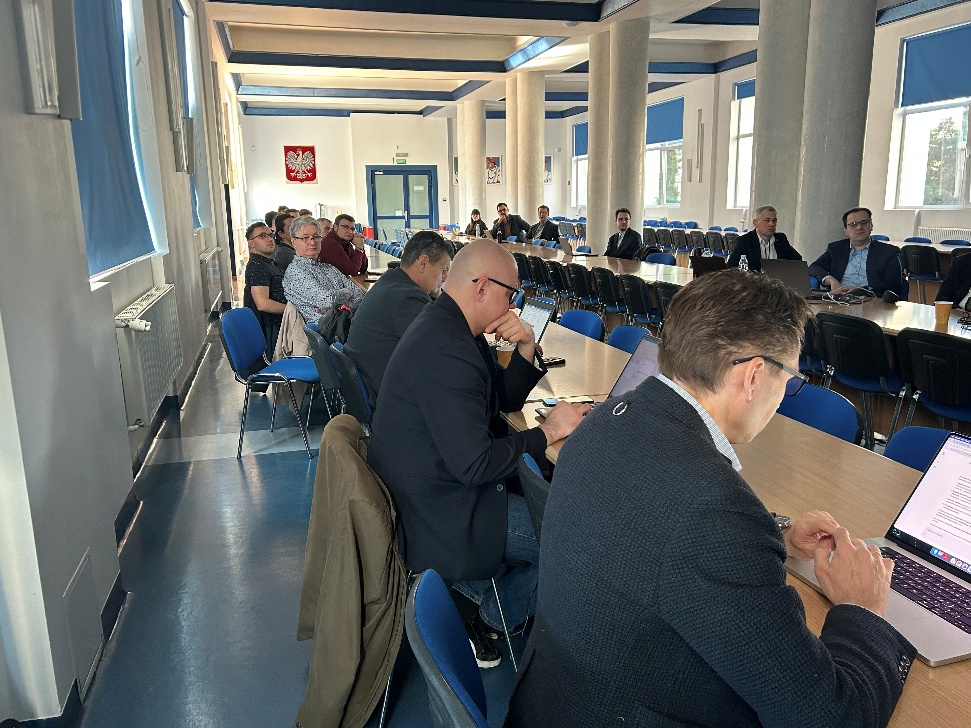
Wydarzenie zgromadziło prelegentów akademickich i technologicznych. Zgromadzone prezentacje i wykłady stanowiły merytoryczny przegląd aktualnego stanu badań nad systemami obliczeniowymi oraz ich wdrożeniami przemysłowymi.
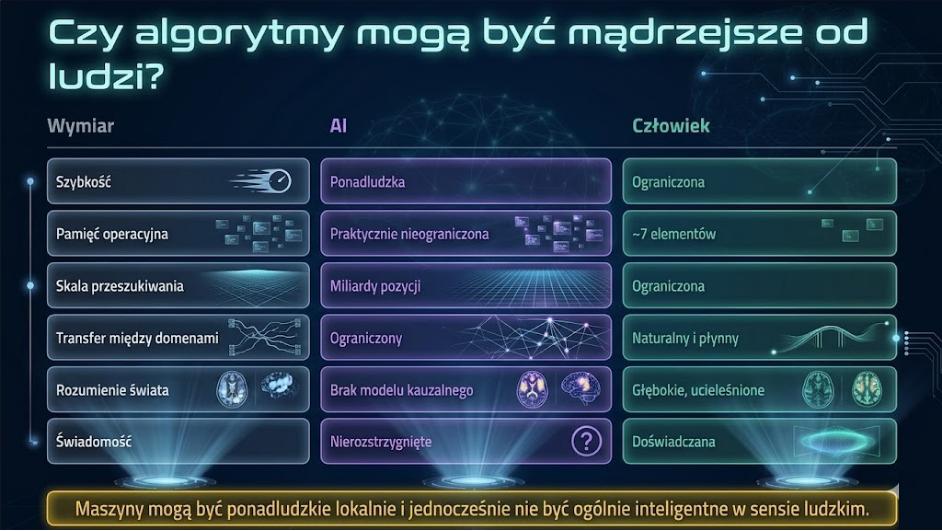
Początkowym punktem programu było wystąpienie wprowadzające wygłoszone przez prof. Tomasza Rymarczyka, koncentrujące się na genezie i rozwoju systemów sztucznej inteligencji. Prelekcja obejmowała szczegółowe zestawienie ewolucji biologicznej ludzkiego umysłu z inżynieryjnym projektowaniem inteligencji obliczeniowej. Mózg ludzki funkcjonuje jako system dynamiczny, w którym połączenia synaptyczne ulegają ciągłym zmianom w procesach plastyczności wielochemicznej bez odgórnego zaprogramowania. Architektura sztucznej inteligencji charakteryzuje się niezmienną fizyczną strukturą połączeń z modyfikowanymi abstrakcyjnymi wagami. Podczas gdy biologia opiera się na iteracyjnej selekcji naturalnej i testach presji środowiskowej trwających miliony lat, systemy informatyczne wykorzystują celową optymalizację gradientową i brutalną siłę obliczeniową.
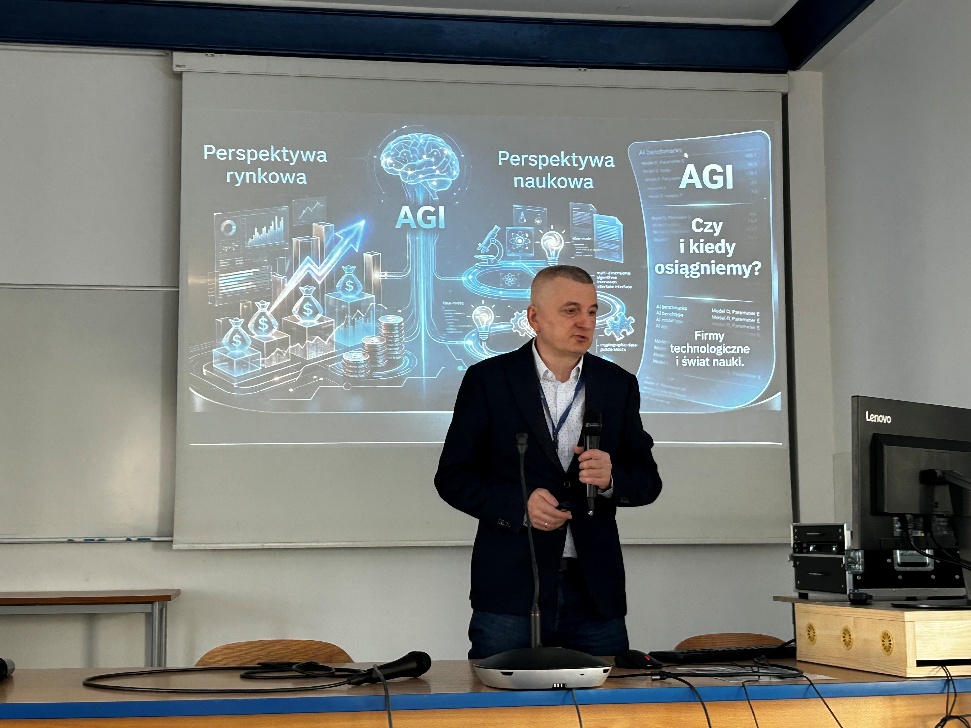
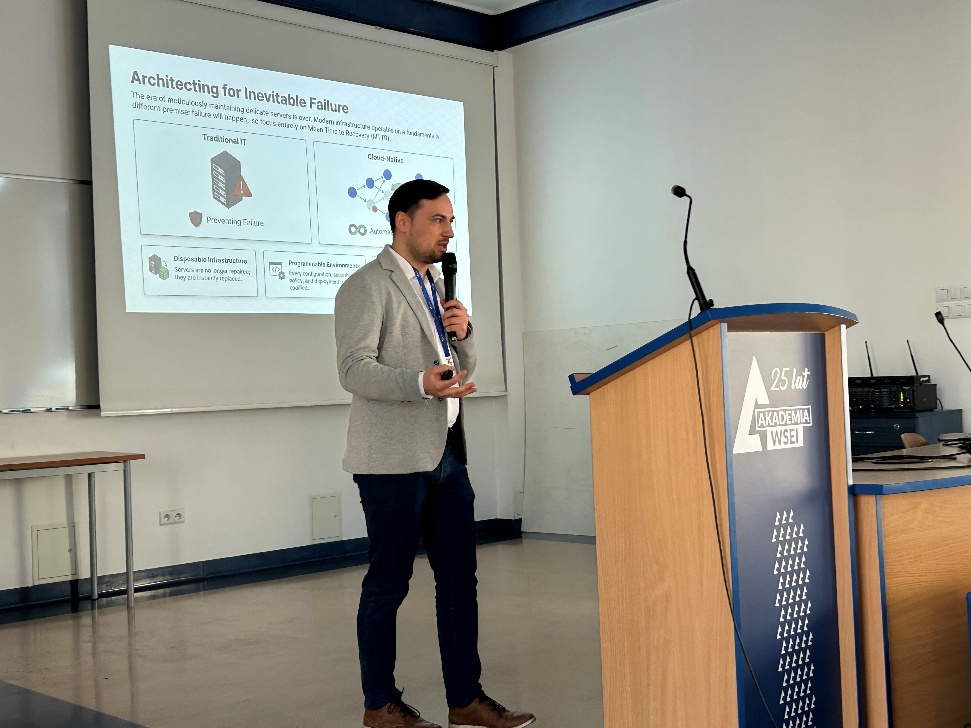
W drugiej części obrad porannych dr inż. Dariusz Wójcik poprowadził wykład o charakterze technologicznym. Wystąpienie dotyczyło automatyzacji infrastruktury oraz metod pozwalających zaprzestać ręcznego restartowania serwerów. Zaprezentowane zostały podejścia ukierunkowane na zmniejszenie obciążenia działów informatycznych w procesach utrzymania ciągłości działania złożonych środowisk systemowych.
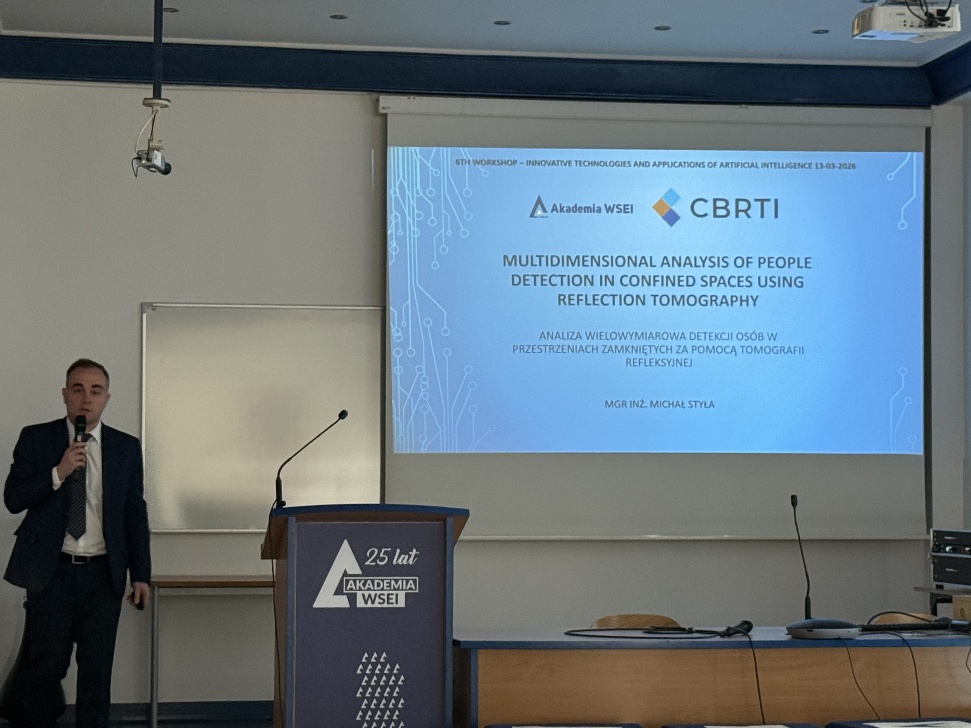
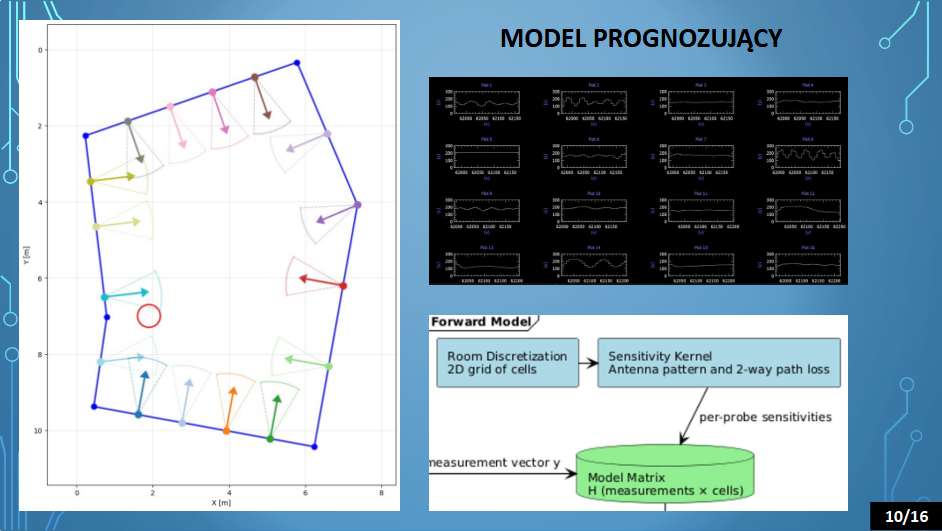
Pierwsza sesja naukowa pod kierownictwem prof. Edwarda Kozłowskiego. Uczestnicy mieli okazję wysłuchać wystąpienia Marcina Dziadosza, który opisał zastosowanie algorytmów uczenia maszynowego w hybrydowym podejściu do analizy pomiarowo-rekonstrukcyjnej wielu inkluzji. Łukasz Ciuraj skupił się na badaniach symulacyjnych ukierunkowanych na uczenie ze wzmocnieniem z przeznaczeniem dla przemysłowych systemów sterowania cyfrowymi bliźniakami. Michał Styła przestawił zaawansowane możliwości analityczne detekcji osób poruszających się w przestrzeniach zamkniętych, demonstrując osiągnięcia tomografii refleksyjnej w wymiarze wielowymiarowym.
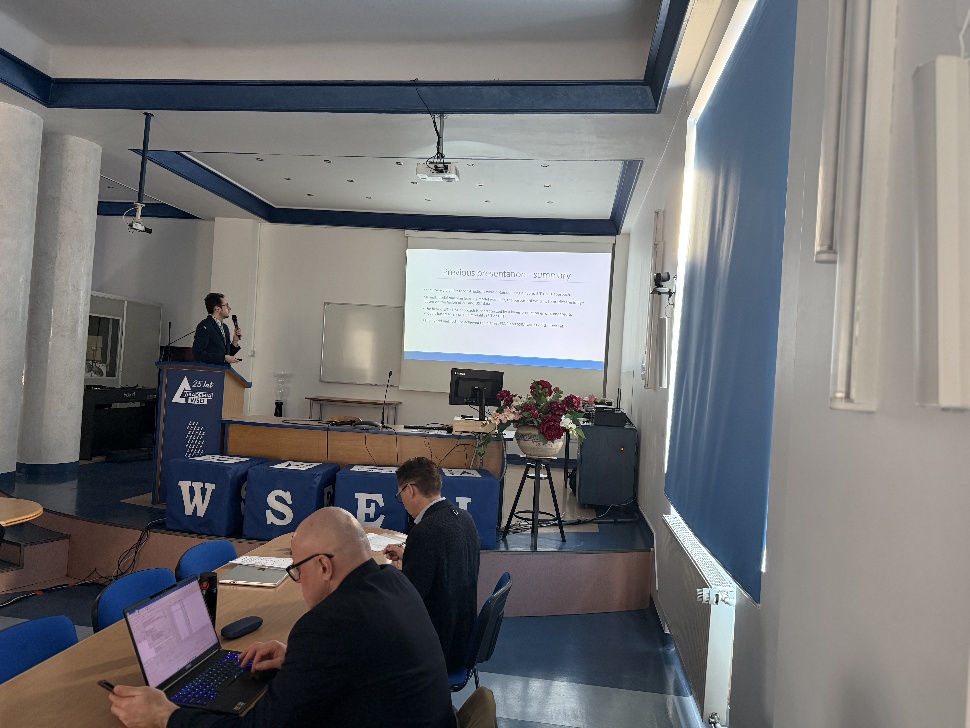
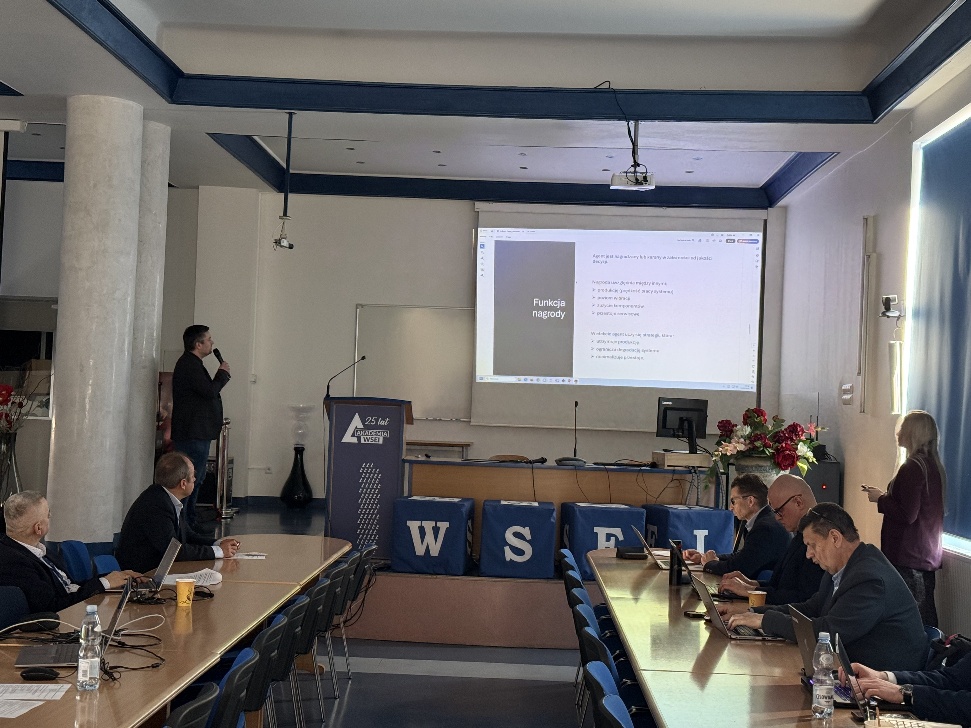
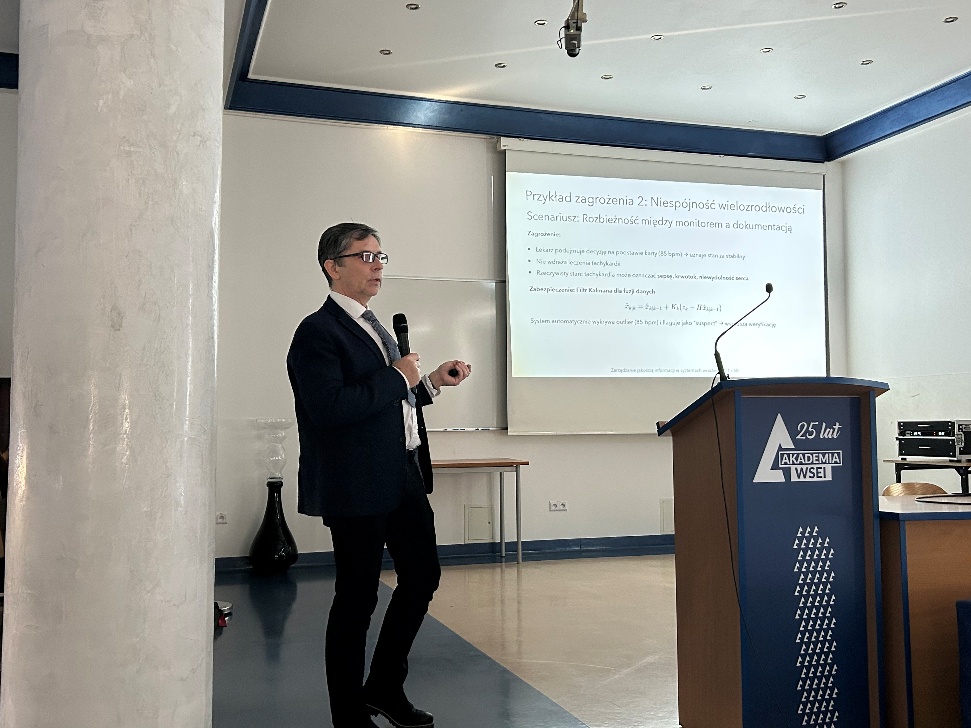
Po przerwie uwzględniającej dyskusje kuluarowe dr inż. Tomasz Cieplak poprowadził drugi wykład tematyczny. Prezentacja koncentrowała się na istotnych zagadnieniach zarządzania jakością informacji w obrębie systemów wrażliwych i kluczowych dla bezpieczeństwa danych. Tematyka została szczegółowo omówiona na konkretnym przykładzie infrastruktury obsługującej elektroniczną dokumentację medyczną pacjentów.
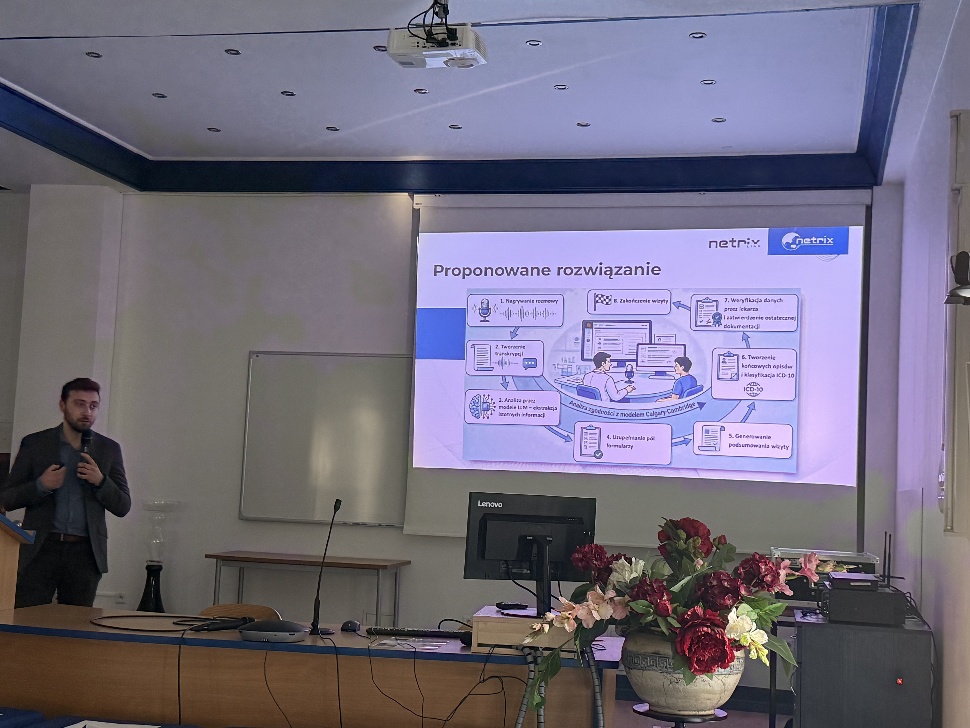
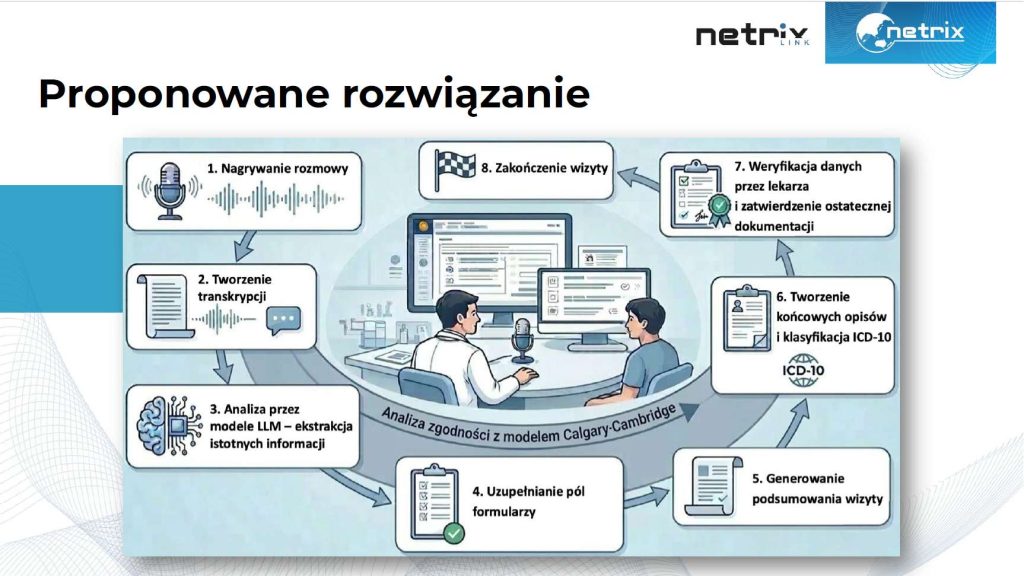
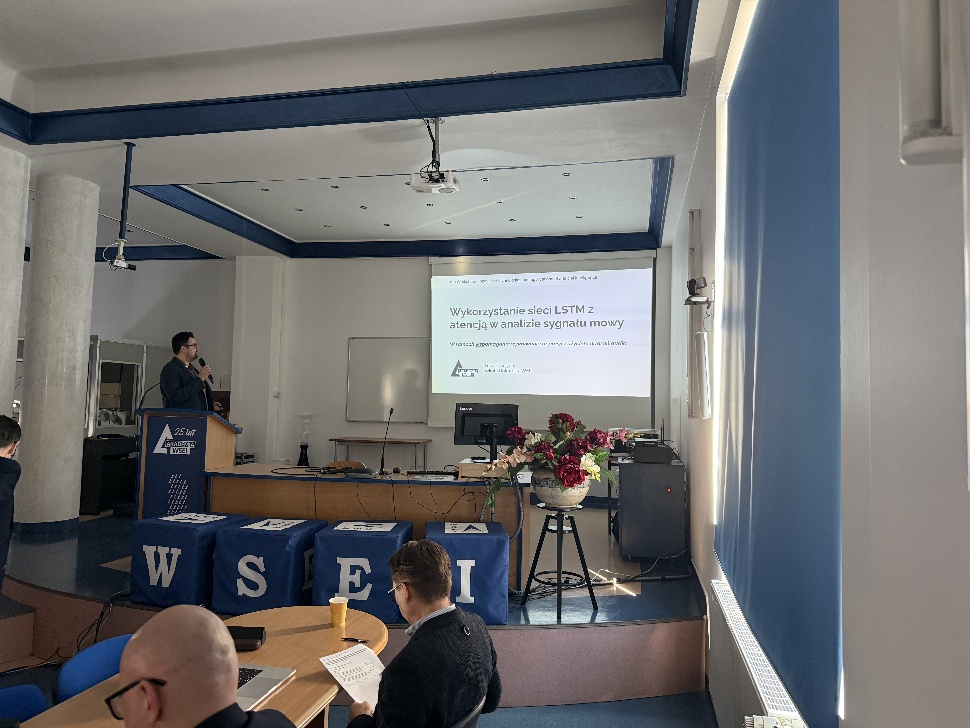
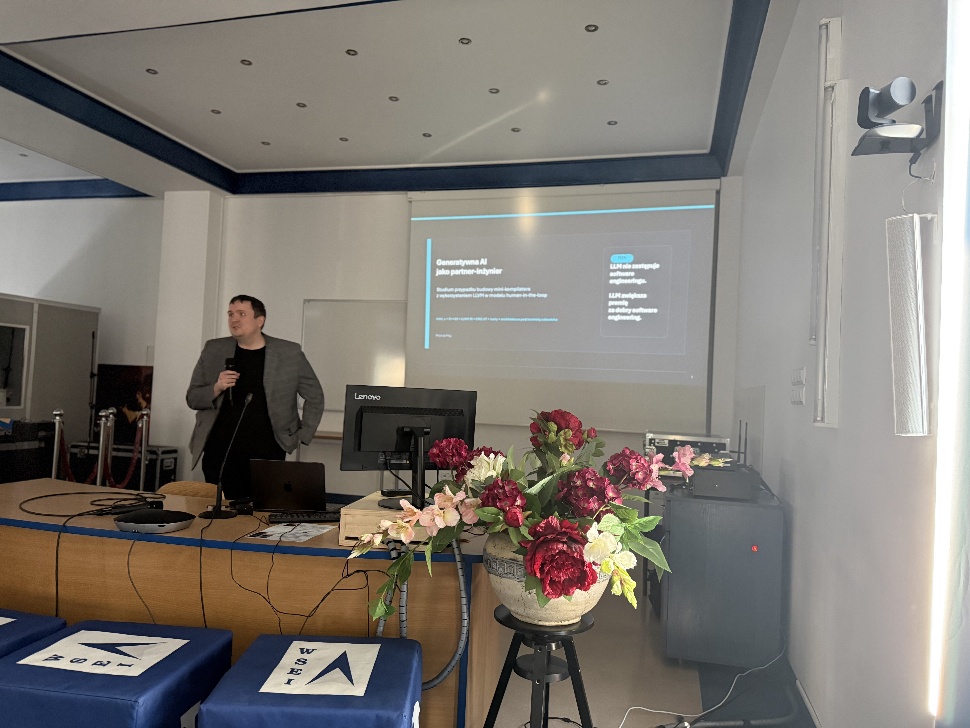
Funkcję przewodniczącego drugiej sesji obejmującej innowacyjne wdrożenia pełnił dr inż. Tomasz Cieplak. W tej części Damian Pliszczuk zaprezentował projekt inteligentnego systemu wspomagającego przeprowadzanie wizyt lekarskich z wykorzystaniem mechanizmów analizy semantycznej dialogu na linii lekarz i pacjent. Łukasz Gugała wygłosił prelekcję na temat wykorzystania zaawansowanej architektury rekurencyjnej z wbudowanym mechanizmem atencji przy przetwarzaniu oraz analizie sygnału mowy. Zwieńczeniem bloku było wystąpienie dr. inż. Michała Maja analizującego generatywną sztuczną inteligencję w roli partnera inżynierskiego. Autor omówił dogłębne studium przypadku budowy specjalistycznego mini-kompilatora przy współpracy algorytmu w modelu uwzględniającym czynnik ludzki w pętli decyzyjnej.
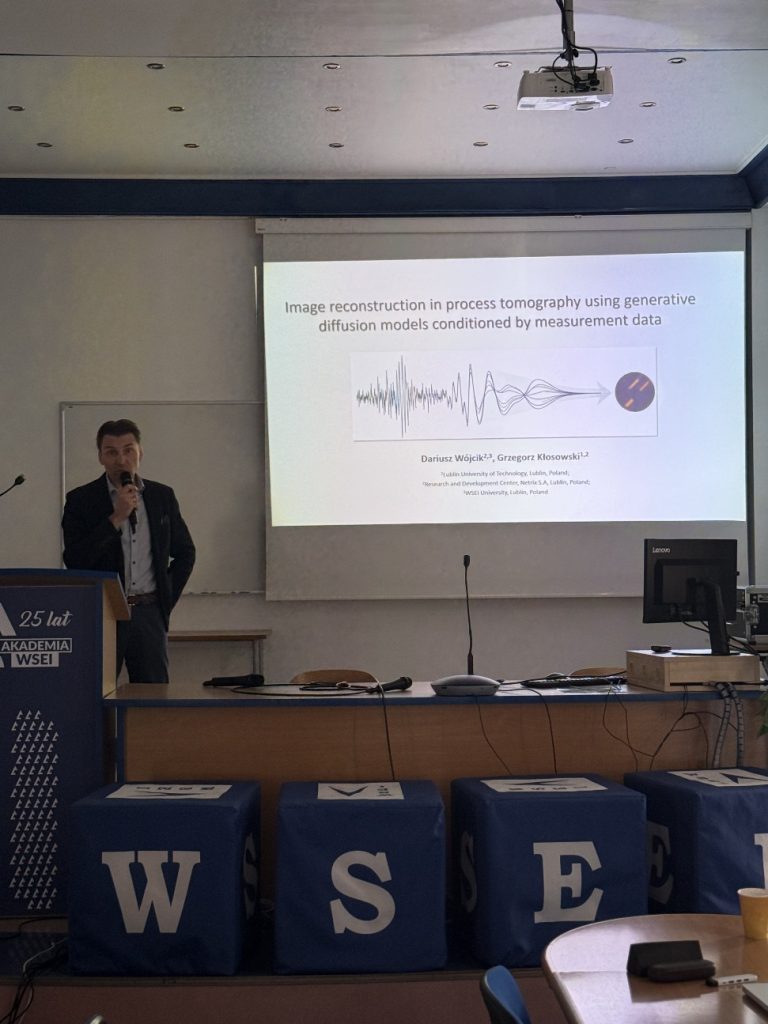
Kolejnym wystąpieniem o zasięgu eksperckim był trzeci wykład tematyczny poprowadzony przez dr. inż. Grzegorza Kłosowskiego. Główne rozważania dotyczyły zagadnień optymalizacji w tomografii procesowej w szczególności rekonstrukcji obrazów. Narzędziem ułatwiającym te operacje miały być w założeniu generatywne modele dyfuzyjne poddane warunkowaniu odpowiednimi zbiorami danych pomiarowych zebranych z fizycznych instalacji.
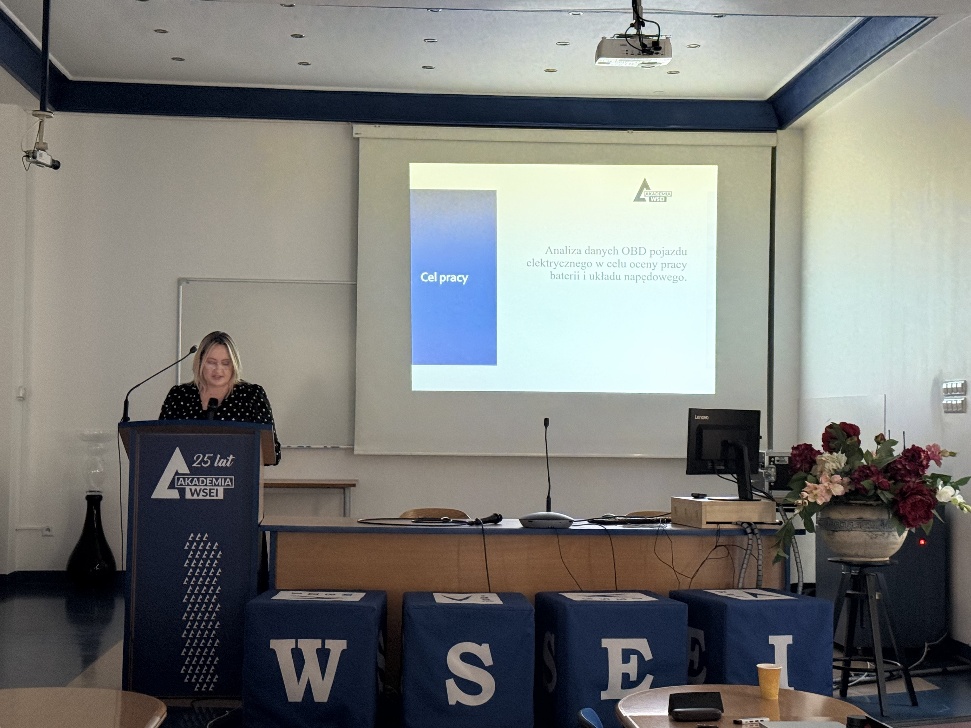
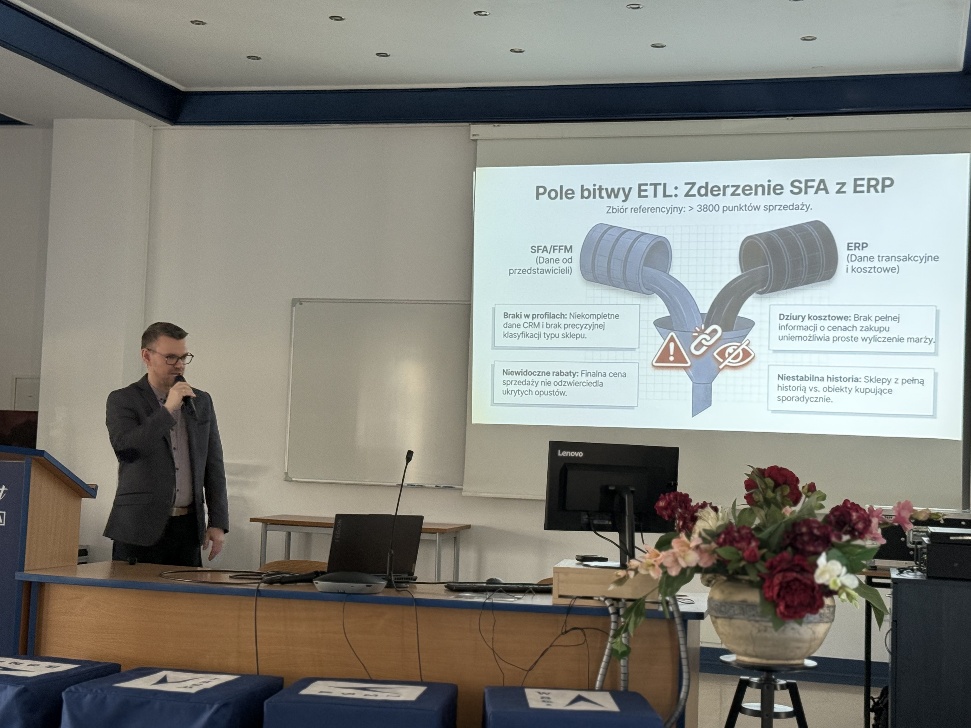
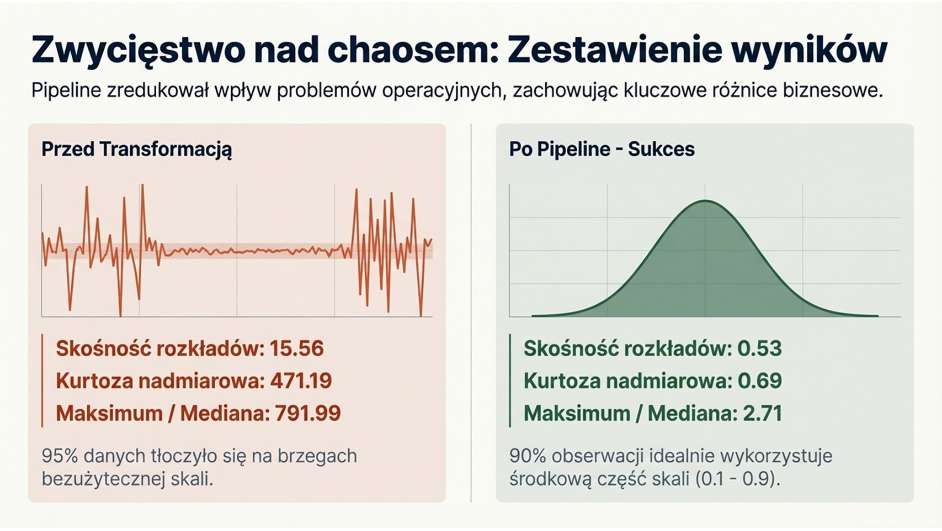
Zamknięcie warstwy merytorycznej zrealizowano poprzez trzecią sesję badawczą moderowaną przez dr. Grzegorza Kłosowskiego. W trakcie tego panelu Beata Martyna przedyskutowała kwestie związane z użytecznością diagnostyczną fizycznych sygnałów bezpośrednio pobieranych z gniazd w pojazdach z napędem elektrycznym. Tomasz Smutek omówił wieloetapowy proces zaawansowanej normalizacji wysoce skośnych zbiorów danych wykorzystywanych w architekturze logiki modelowania scoringowego używanego w segmencie dystrybucji dóbr szybko zbywalnych. Ostatnią prelekcją było stanowisko wygłoszone przez Cezarego Pasierkiewicza prezentujące zagadnienia celowego i ofensywnego testowania zabezpieczeń struktur dużych modeli językowych. Konferencja zakończyła się obszernym podsumowaniem kluczowych założeń i wytyczeniem dalszych kierunków innowacji i badań akademickich.