(Future Technologies: Development and Applications of Artificial Intelligence)
Date and place: November 14, 2025, WSEI University, Lublin, Poland
🌐 Conference website: https://conf.nx365.ai
🎥 Conference recordings are available on YouTube:
The event was organized as part of the nx365.ai initiative as a series of workshops devoted to the practical applications of modern artificial intelligence in medicine, industry and the service sector.
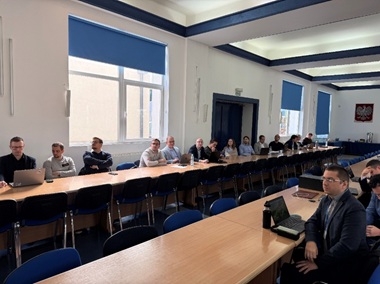
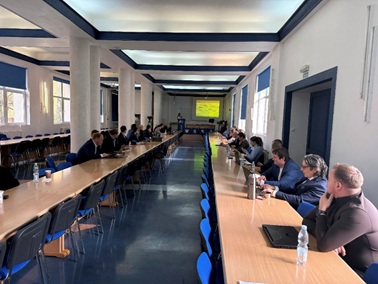
The meeting was attended by representatives from academia, technology companies, research centers, and businesses. The program included introductory and technological lectures, three thematic sessions, and a summary of the discussion’s conclusions.
The workshop began with a brief presentation of the event’s purpose. The need to combine scientific research with implementations in real-world medical and industrial environments was emphasized, as was the importance of collaboration between universities, technology companies, and end users of AI systems.
Attention was drawn to the growing role of artificial intelligence as a key technology transforming diagnostics, process optimization, and the design of modern digital services.
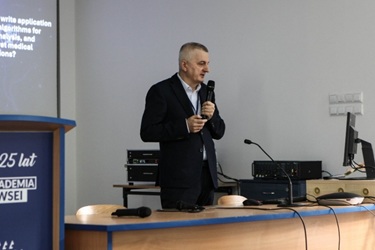
The first introductory lecture, delivered by Professor Tomasz Rymarczyk, was devoted to an overview of AI applications in medical systems. The division of methods into machine learning and deep learning was presented, emphasizing the complementary nature of convolutional neural networks, sequential LSTM models, and large-scale language models. It was emphasized that in clinical practice, AI constitutes a set of narrowly specialized tools for analyzing images, signals, speech, and text documentation.
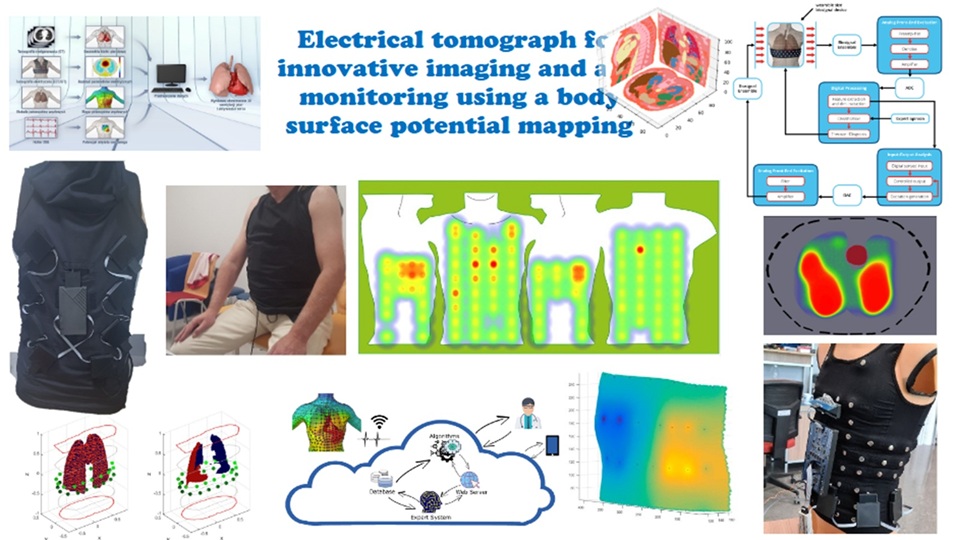
Numerous examples of algorithms used in the analysis of tomographic images, ECG and EEG signals, image reconstruction with reduced radiation dose, and automated analysis of medical records were presented. The development of software supporting physicians in making diagnostic and therapeutic decisions was also discussed, including the e-Medicus platform and wearable solutions for non-invasive patient monitoring. The slides showcased prototype tomographic systems, diagnostic vests and belts, and a cough monitoring system with web and mobile applications.
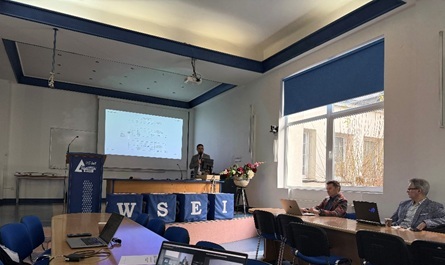
Dr. Dariusz Wójcik, Eng., presented a technology lecture on the next generation of computer vision models based on the concept of Vision Tokens. The lecture discussed contemporary OCR systems, multimodal architectures combining image and text, and optical compression methods used in the DeepSeek-OCR model. Examples were provided of how documents, charts, and complex graphical layouts are transformed into representations that can be further understood by linguistic models.
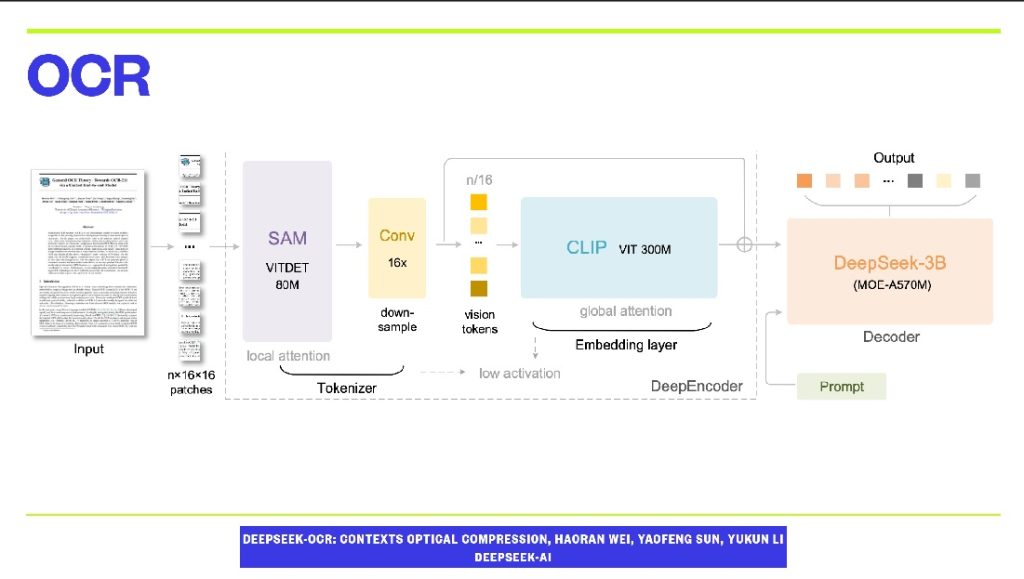
The talk included an introduction to autoencoders, variational autoencoders (VAEs), and their vector quantization (VQ-VAE) versions, emphasizing the role of latent representation as a central concept in modern deep learning. The CLIP architecture and a method for encoding images and text in a common feature space were also presented. The lecture concluded by pointing out that the development of Vision Tokens and multimodal models paves the way for new quality in document, technical, and medical image analysis, as well as for building systems that do not require traditional text tokenizers.
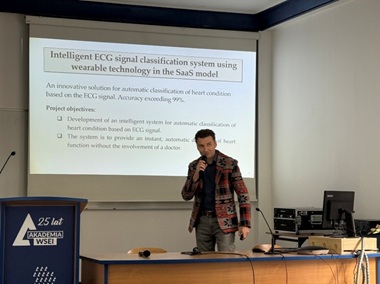
Dr. Grzegorz Kłosowski, Eng., presented the concept of an intelligent ECG signal classification system that uses wearable devices in conjunction with a SaaS service model.
The solution involves acquiring signals from sensors, transmitting data to the cloud, applying classification algorithms, and sharing the results with doctors and patients via an app.
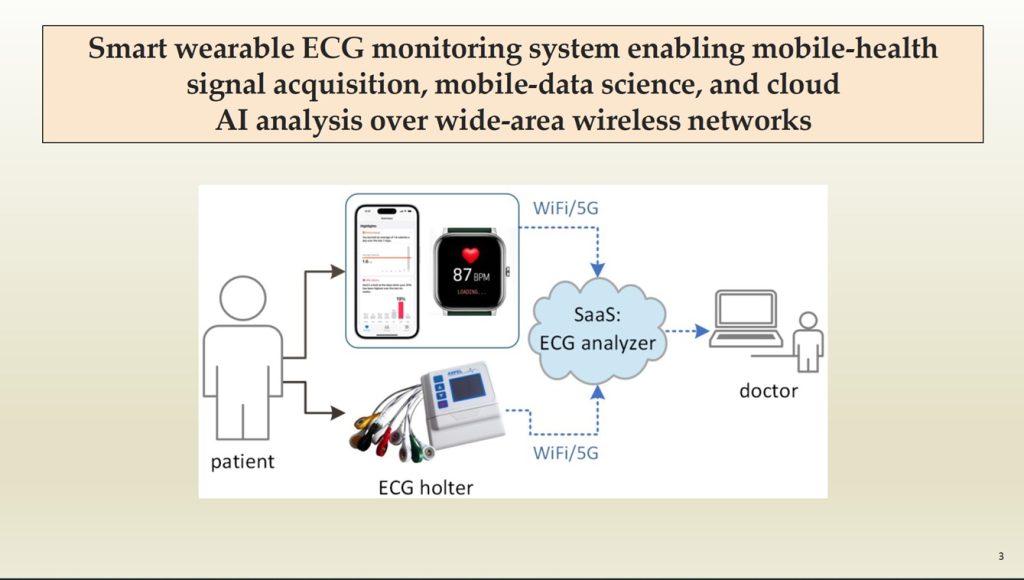
The potential of such systems for remote monitoring of cardiac patients and early detection of cardiac arrhythmias was highlighted.
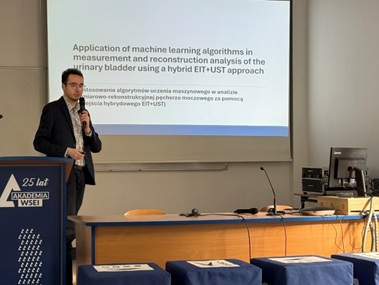
The next presentation is the application of machine learning in a hybrid approach combining electrical impedance tomography (EIT) and ultrasound (UST).
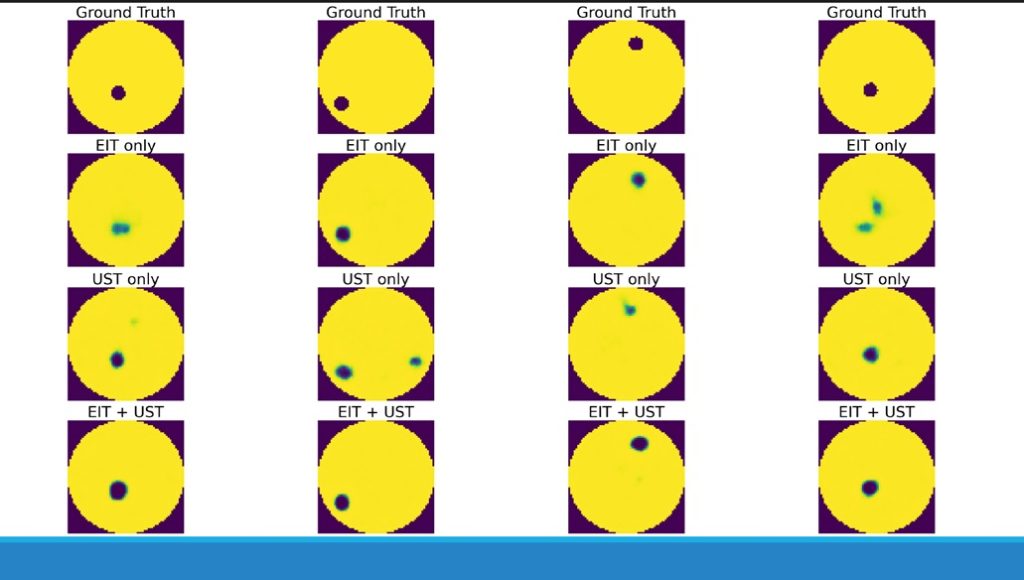
A multimodal neural model was built that fused data from both methods, resulting in lower prediction error compared to single-modality models. The hybrid method achieved the highest PSNR and SSIM image quality metrics on the test set.
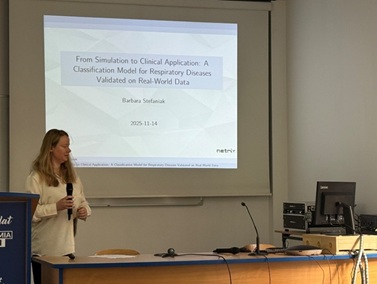
The author of the next presentation presents the process of creating a classification model for 7 lung pathologies (including COPD, pneumothorax, pneumonia) based on EIT simulation data.
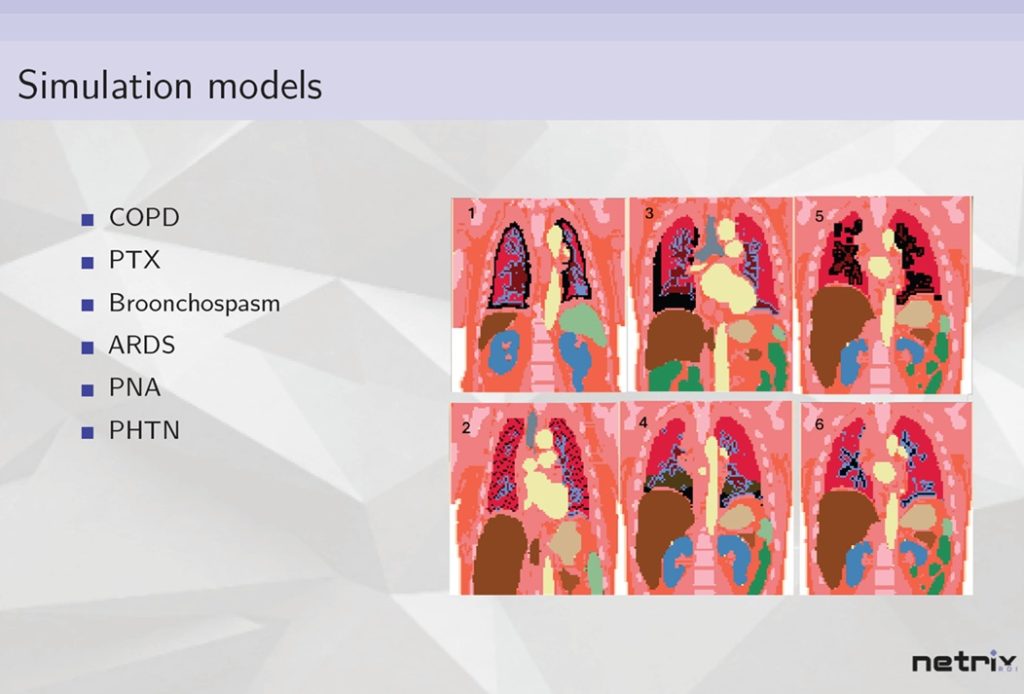
The EfficientNetV2 architecture with Transformer was used for 4D (time and space) analysis. The model was validated on real-world data, highlighting the challenges of misclassifying healthy individuals as sick and the need for advanced signal preprocessing.
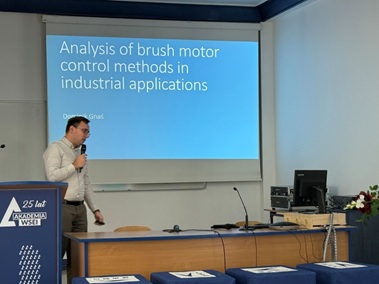
Another paper examines DC motor control methods in industrial applications, including voltage regulation, PWM, and current control. The microcontroller implementation of a PID controller is discussed, including issues such as load handling, gravity, and various braking modes (active, passive, and reversing). Code fragments responsible for the control logic are presented.
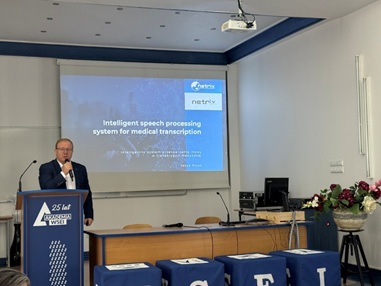
The project of the next presentation focused on the automation of medical documentation using NLP/NLU algorithms dedicated to the Polish language.
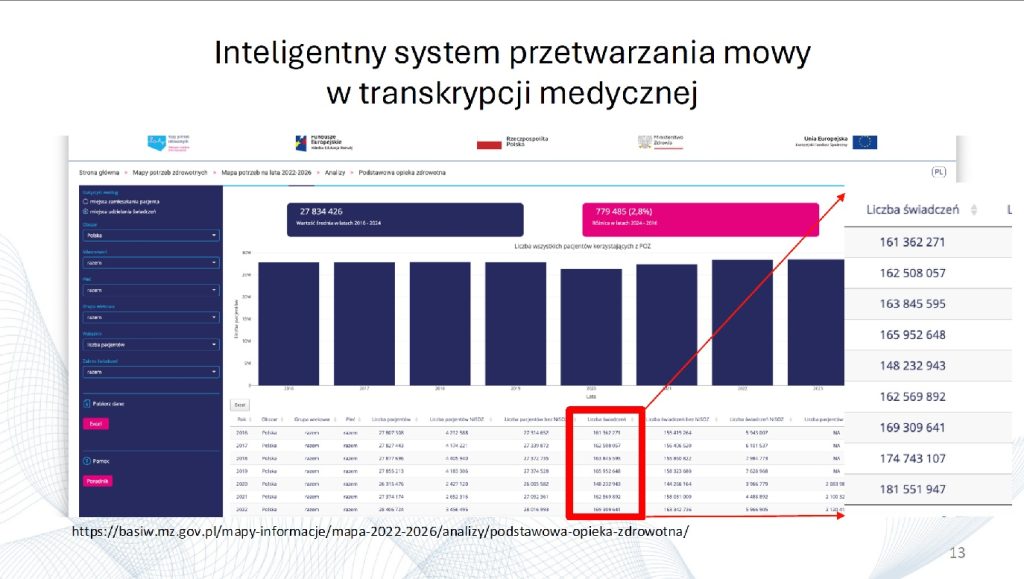
The system aims to reduce the workload of medical personnel by transcribing speech to text in real time, extracting medical data (symptoms, diagnoses, medications), and automatically filling out forms. The presentation shows the progress of the work, including interface prototypes (doctor dashboard) and edge devices for sound acquisition.
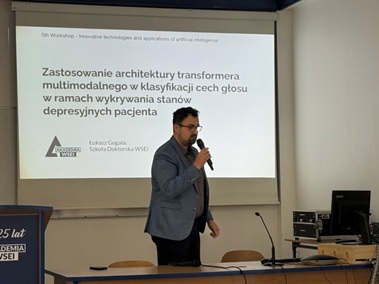
The next presentation was about the study of depressive states based on voice analysis using the CLAP model based on the Transformer architecture.
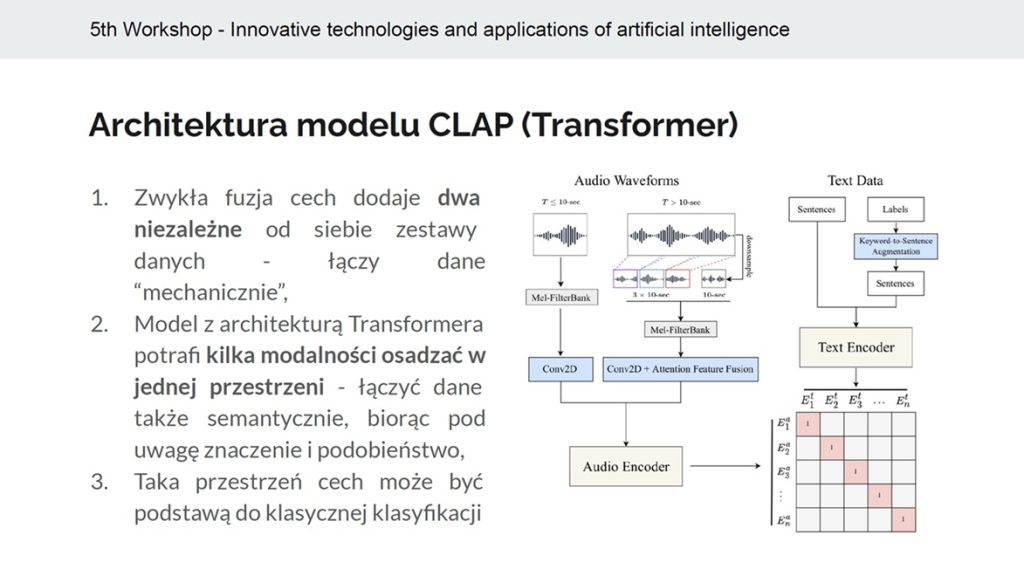
The author compares classical machine learning methods (Random Forest, Logistic Regression) on MFCC and eGeMAPS features with a multimodal approach combining audio and text. The results indicate that standard classification methods are insufficient, and the use of embeddings and neural networks (e.g., CNNs) allows for better capture of nonlinear temporal dependencies.
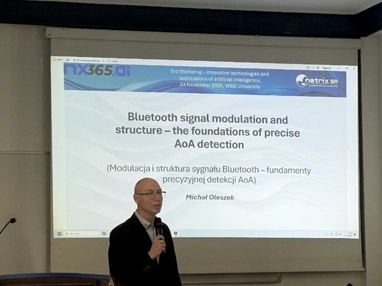
The next paper presents the mechanisms of directional positioning in the Bluetooth 5.1 plus standard, in particular the Direction Finding mode using the AoA and AoD methods.
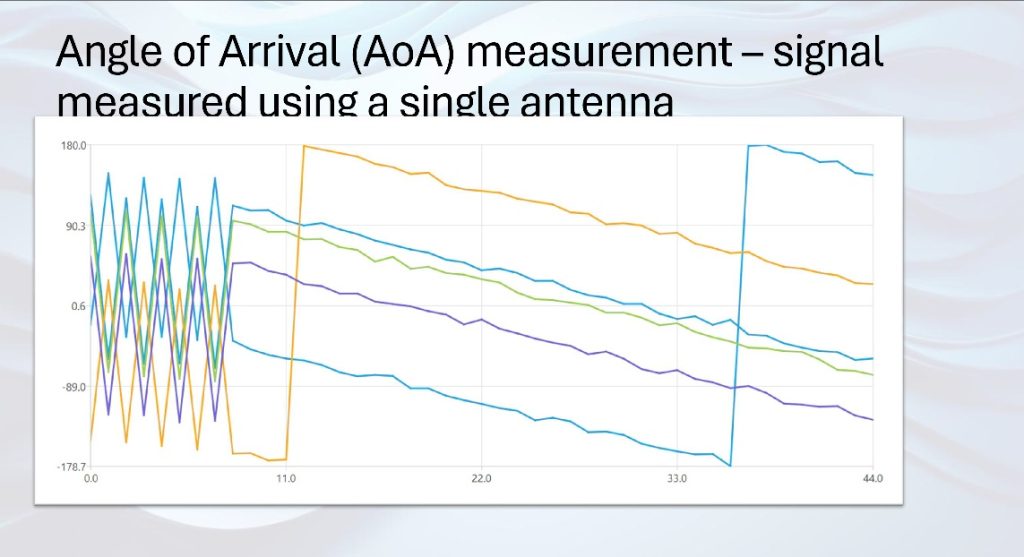
The band and structure of BLE channels, GFSK modulation, structure of the CTE-enhanced packet and the method of determining the angle of arrival of the signal based on the phase measurement on the antenna array are discussed, which is the basis for the construction of energy-efficient, high-precision localization systems.
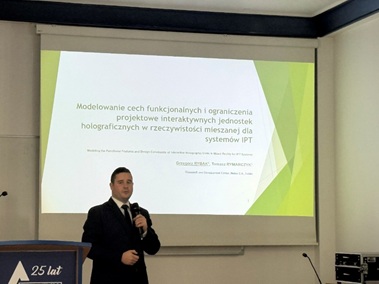
The next talk introduces the concept of a holographic entity as a semantic entity in mixed reality that combines 3D geometry, behavior, network communication, and identity and can act as a digital twin in industrial tomography systems.
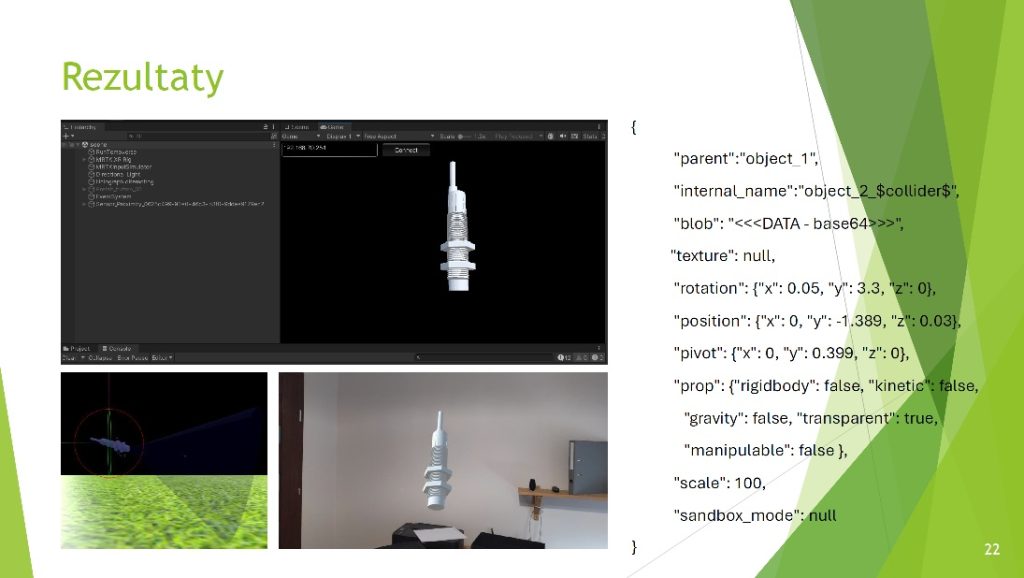
It discusses affordances and types of interactions with holograms, interoperability layers between different XR platforms, and general design requirements, illustrating the concept with the TomoVerse system and the Hyleidos framework.
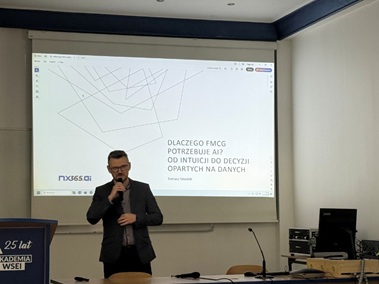
The next presentation describes the specificity of the FMCG market with its high product turnover, seasonality, numerous promotions and a dispersed network of sales points, and shows that traditional manual analyses cannot keep up with the complexity of data.
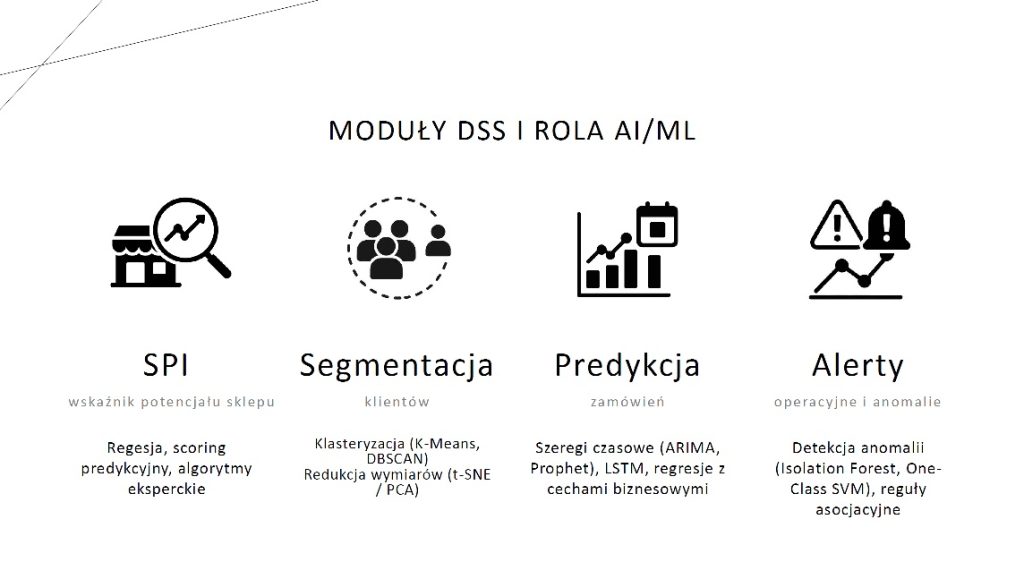
The concept of a DSS system with AI and ML modules was presented, including customer segmentation, order prediction, store potential scoring and anomaly detection, which closes the gap between data collection and real operational decisions in the field.
The fifth edition of the workshop confirmed that artificial intelligence is becoming a critical infrastructure for modern medicine and industry, as well as one of the main directions of development in research and development. The presented papers showcased the full spectrum of applications, from advanced diagnostic systems and wearable devices, through speech transcription and document analysis platforms, to interdisciplinary industrial applications of AI and software engineering.
The importance of creating end-to-end solutions that combine hardware, algorithms, and the cloud was emphasized, as well as the need to ensure high data quality, security, and compliance with medical and industrial regulations.
The workshop provided an important platform for exchanging experiences between research teams and industrial partners and confirmed the growing role of the nx365.ai ecosystem as a platform for integrating projects in the areas of artificial intelligence, sensors, IT systems, and modern industrial and medical applications.